PVBridge
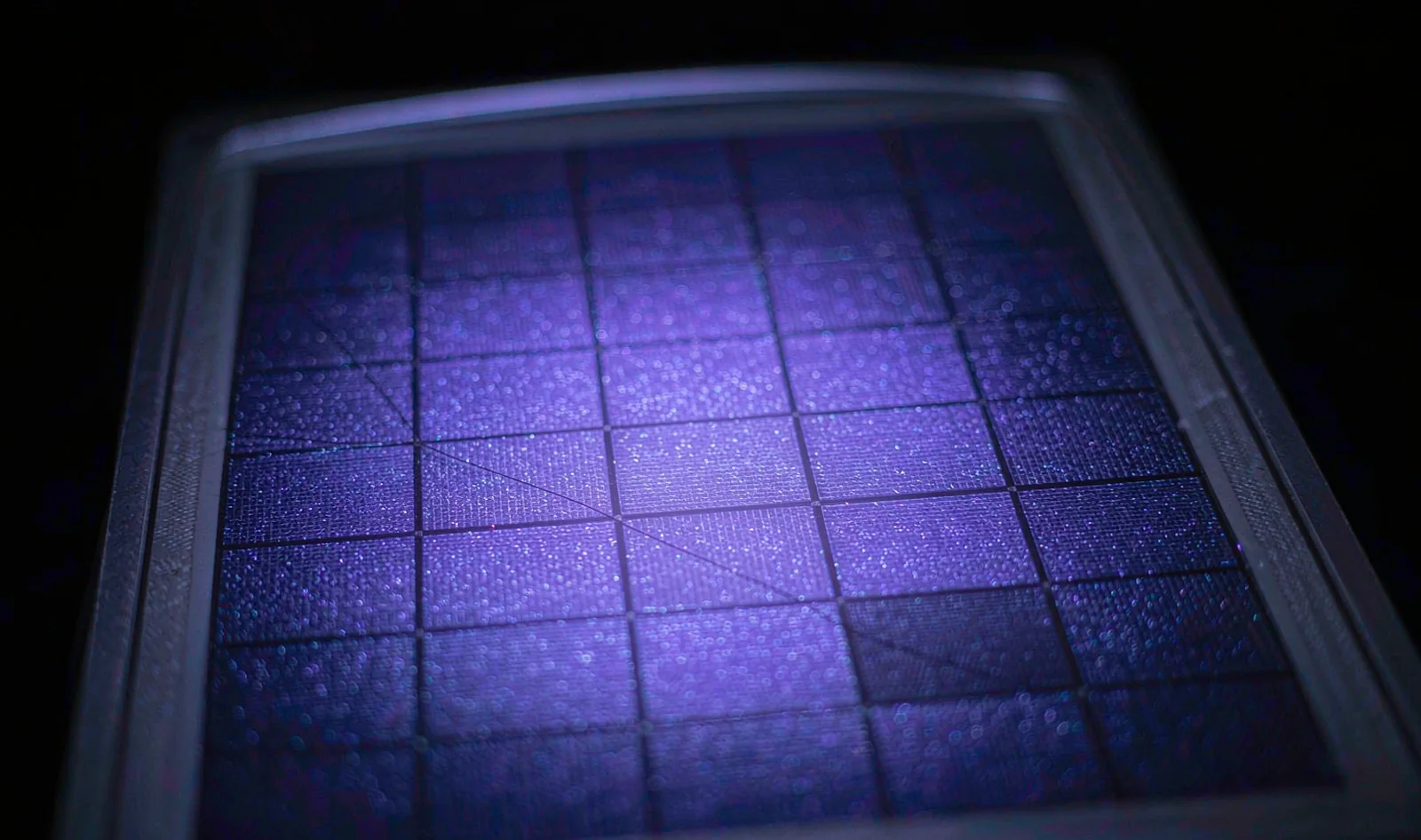
Electroluminescence scan of a photovoltaic module in a dark test room

Five gates before your deposit moves.

A certificate proves that a sample existed at some point in the past, in some version of a factory. It does not prove who you are paying, what is in your lot, or what goes into the container. These are the five points where we stop and check.

01

The entity, not the website

Before anything technical, we establish that the business you are paying actually exists, actually manufactures, and actually owns the account the money lands in.

What we ask forBusiness licence checked against the state credit registry; registered capital and incorporation year; business scope confirming manufacturing rather than trading; the legal name on the invoice matched to the payee on the bank account.

What usually failsA "factory" whose registered scope says trading. A payee name that differs from the entity by two characters. A registered address that is an office tower with no plant behind it.
02

The line, not the showroom

Capacity claims are cheap. A production line that can actually run your specification, with the equipment it takes to prove the output, is not.

What we ask forA walk of the specific line that will build your order — lamination, stringing, EL tester, flash tester — with a GPS address that matches the plant on the licence.

What usually failsShowroom tours with the real hall behind a closed door. A flash tester that exists but is not calibrated. A line that is technically running, at a tenth of the stated capacity.

03

The certificate, in the issuer's database

A PDF is not evidence. The issuing body's database is. This check takes fifteen minutes and eliminates a large share of the material that circulates in this market.

What we ask forThe certificate number entered directly into the TÜV, UL or SGS database; scope naming your exact model and power range; issue and expiry dates read, not assumed.

What usually failsEdited PDFs. "Family" certificates that appear to cover your SKU but exclude it on the scope page. Certificates that were valid when the datasheet was written.

04

The batch, not the sample

The strongest filter against second-tier and relabelled product is physical proof of your own lot, taken after production and before payment.

What we ask forEL imaging of a representative sample from your lot; flash-test and IV-curve results against nameplate; power binning confirmed; BOM matched to the approved sample — EVA, backsheet, frame, junction box.

What usually fails"Grade A" used as a label rather than a measurement. Down-binning, where a 545 W module is shipped against a 560 W order. EVA substituted after the sample was approved.

05

The container, not the shipment

Everything above is worthless if the goods are swapped, mixed or crushed between the inspection and the vessel. This is the last point where a problem is still cheap.

What we ask forLoading supervised on site; cartons counted against the packing list; stack order photographed; seal number recorded and sent to you before departure.

What usually failsSubstitution at a consolidation warehouse. Heavy steel stacked above modules. A seal number that changes between the loading photo and the bill of lading.

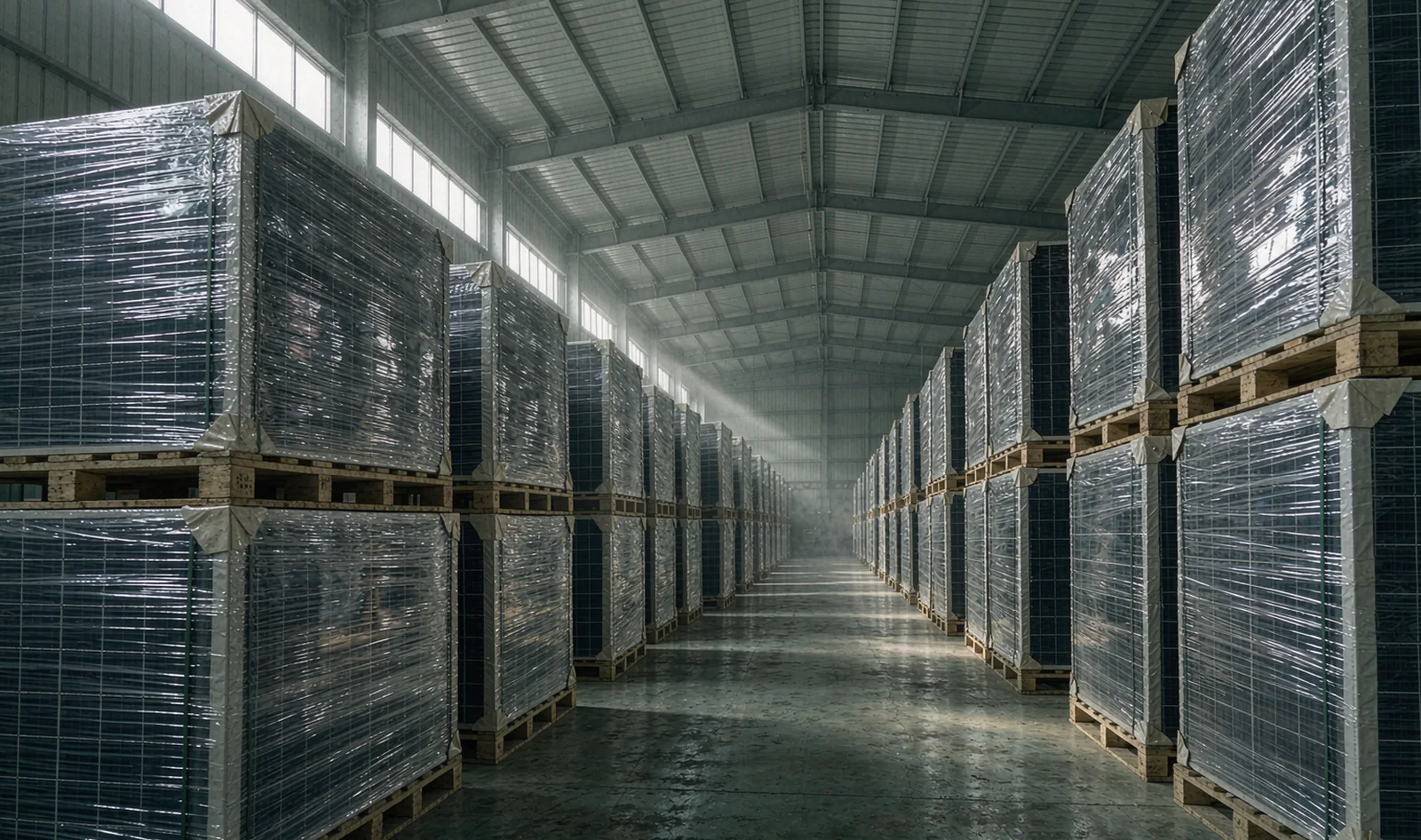
Palletised solar modules wrapped and stacked, ready for loading
Gate five is the only one that is irreversible. Once the container doors close, the conversation changes from inspection to claim.

What you receive

A report you can act on, not a photo album.

Issued within two business days of the visit. Written so that someone who was not there can still make the release decision.

Photographic record

Twenty to forty time-stamped images covering the line, the lot, the labels, the packaging and the load — each one tied to the point it is meant to prove.

Measurement table

Measured power, dimensions, weight and coating thickness against the specification you approved — numbers, not adjectives.

Findings by severity

Split into critical, major and minor. Critical means do not release the balance. We will say that plainly, and we will say it before the money moves.

Want to see the format first?

Ask for a redacted sample report from a recent inspection. No form, no sequence — one email and we send it.

Request a sample report

Field log

Every visit gets written up.

Our factory visits are logged and published as mandates close, with the client's commercial details removed. The photographs elsewhere on this site are illustrative industry scenes, labelled as such — a visit we did not make is never presented as a visit we did. So the log below fills up at the speed of actual work, not at the speed of a marketing calendar.

Currently in the field. Ask for the most recent visit record and we will send it directly.

Have a factory you are about to pay?

Send the name and the certificate number. We will tell you what the registry and the issuer's database say before you commit anything.

Ask us to check it